MBOTE - BDBV

Context
Bundibugyo ebolavirus is one of the six known Ebola virus species but has caused only a limited number of documented outbreaks since its discovery in Uganda in 2007. Consequently, important questions remain regarding its clinical presentation, risk factors for severe disease, viral persistence, immune responses, and long-term health consequences among survivors.
The current outbreak, declared in May 2026, spread across several provinces in eastern DRC and into neighbouring Uganda, highlighting the urgent need for coordinated research to inform patient management, diagnostics, therapeutics and future outbreak preparedness.
Objective
The MBOTE-BDBV study aims to:
- Characterize the clinical presentation and natural history of Bundibugyo virus disease.
- Identify epidemiological and host-related risk factors for infection and severe outcomes.
- Study viral kinetics and persistence during acute infection and recovery.
- Evaluate immune responses following infection.
- Assess long-term health outcomes and persistent symptoms among survivors.
- Establish a biobank to support future research on Bundibugyo ebolavirus and other emerging filoviruses.
Study design
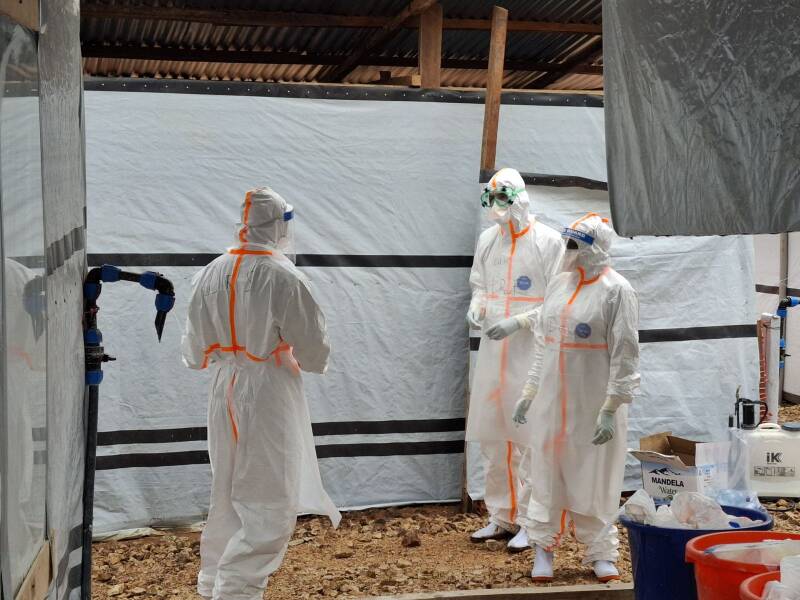
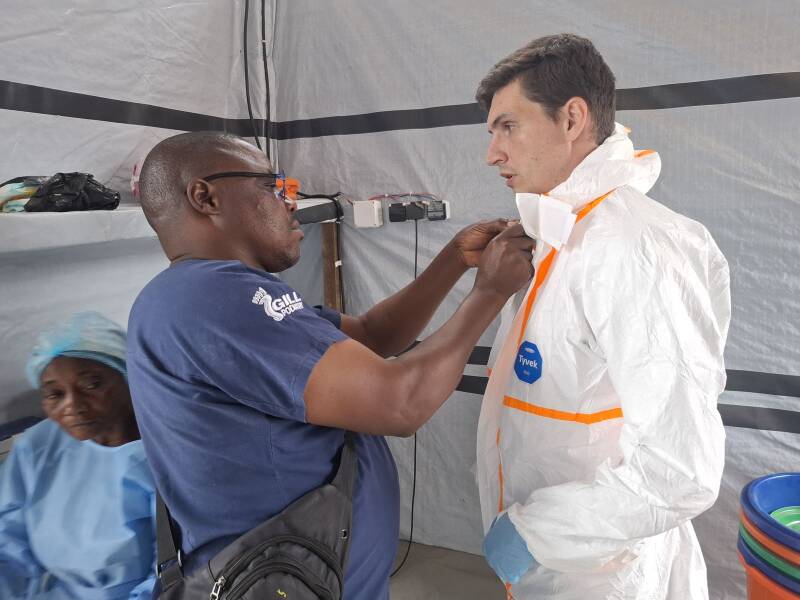
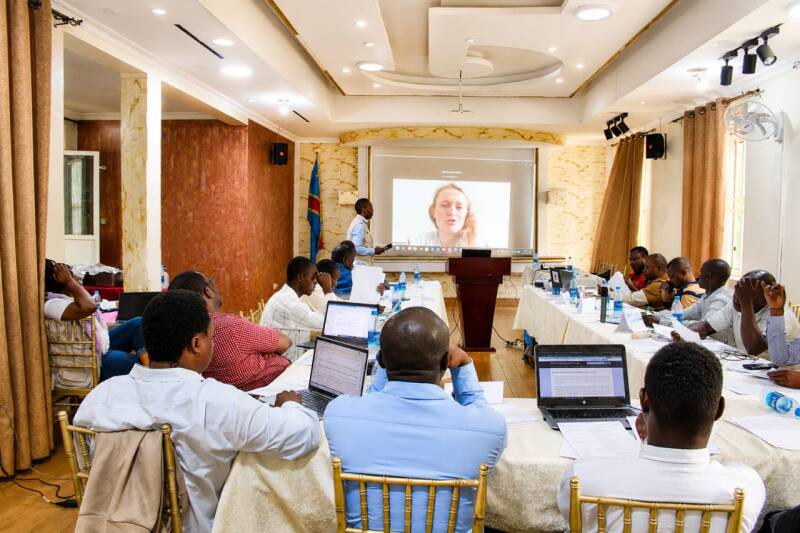
MBOTE-BDBV is a multicentre observational outbreak research platform using a flexible modular design that can be adapted to the operational capacity of each treatment centre.
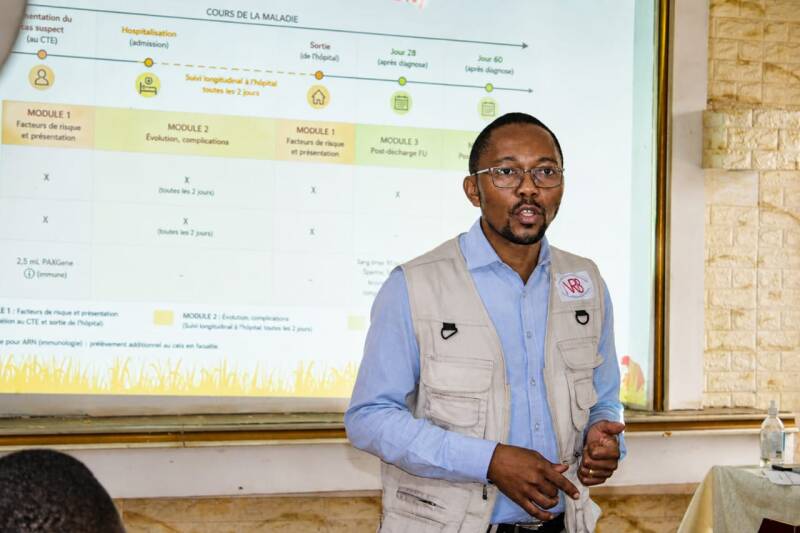
The platform consists of four complementary modules:
- Module 0: Retrospective analysis of routine surveillance and clinical data.
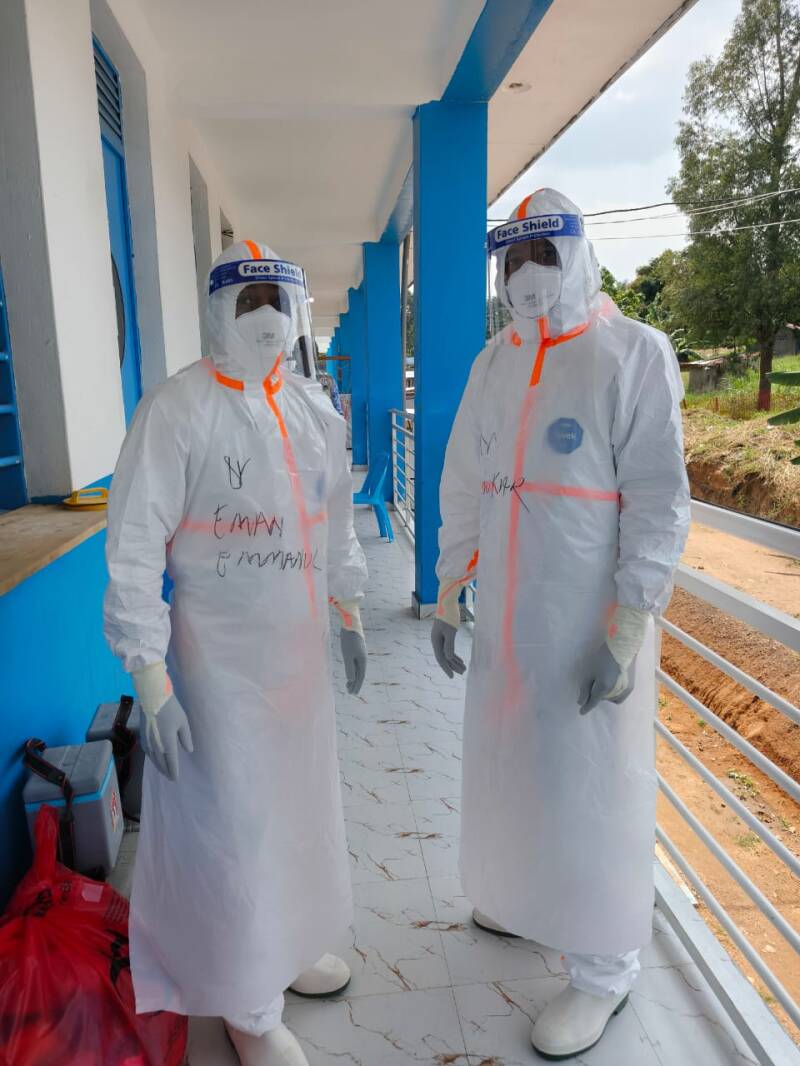
- Module 1: Prospective enrolment and characterization of suspected Bundibugyo virus disease patients.
- Module 2: Longitudinal follow-up of hospitalized patients throughout their admission.
- Module 3: Post-discharge follow-up of survivors, including clinical assessments, biological sampling and immunological studies.

Partners
- Institut National de Recherche Biomédicale (INRB)
- Institute of Tropical Medicine (ITM), Belgium
- Institut National de Santé Publique (INSP)
- ALIMA
- University of Oxford
- World Health Organization (WHO)